
You must have an order with a minimum of $100.00 to place your order, your current order total is $0.00.
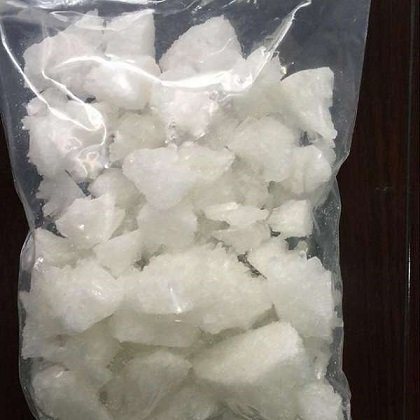
Understanding the LSD Crystal Structure: Molecular Chemistry & Serotonin Receptor Dynamics
Lysergic Acid Diethylamide (LSD) is a potent semi-synthetic ergoline alkaloid. Synthesized initially from lysergic acid a precursor compound produced by Claviceps purpurea (the ergot fungus that infects rye and cereal grains) LSD represents one of the most studied psychoactive molecules in modern neuropharmacology.lsd-crystals-structure
Understanding the LSD crystal structure requires examining both its solid-state molecular architecture and its precise structural binding interactions within the human central nervous system.
lsd-crystals-structure Chemical Profile & Molecular Specifications
| Parameter | Scientific Specification |
| Chemical Name | (6aR,9R)-N,N-diethyl-7-methyl-4,6,6a,7,8,9-hexahydroindolo[4,3-fg]quinoline-9-carboxamide |
| Molecular Formula | $\text{C}_{20}\text{H}_{25}\text{N}_3\text{O}$ |
| Molar Mass | $323.44\text{ g/mol}$ |
| Chemical Family | Tryptamine / Ergoline Alkaloid |
| Crystalline Form | Freebase prills / Tartrate salt crystals |
| Primary Biological Target | Serotonin $5\text{-HT}_{2\text{A}}$ Receptor Agonist |
The Chemistry & Molecular Structure of LSD Crystals
-
Ergoline Ring System: Incorporates an indole core connected to a quinoline framework, mimicking the endogenous neurotransmitter serotonin (5-hydroxytryptamine).
-
Diethylamide Conformation: The two ethyl groups on the amide nitrogen significantly increase lipophilicity and blood-brain barrier permeability compared to simple lysergamides.
-
Chirality & Stereocenters: LSD possesses two chiral centers at carbon atoms C5 and C8. Only the (5R, 8R) stereoisomer (d-LSD) exhibits potent psychoactive affinity.
Serotonin Receptor Interaction & Crystallography
In neuroscience, the crystal structure of LSD bound to human serotonin receptors (specifically $5\text{-HT}_{2\text{A}}$ and $5\text{-HT}_{2\text{B}}$) has provided key insights into its pharmacological activity:
-
The Receptor Lid Effect: X-ray crystallography reveals that when LSD enters the binding pocket of the $5\text{-HT}_{2\text{A}}$ receptor, extracellular loop 2 (EL2) folds over the molecule like a “lid.”
-
Extended Binding Kinetics: This structural trapping mechanism slows down the dissociation rate of LSD from the receptor, explaining why sub-microgram quantities produce long-acting perceptual shifts.
-
Downstream Signaling: Binding activates G-protein and $\beta$-arrestin pathways, leading to altered neuronal firing in the prefrontal cortex, modified mood regulation, and transient sensory synthesis (synesthesia).
lsd-crystals-structure Frequently Asked Questions
How is LSD derived from ergot fungus?
LSD is semi-synthetic. Biosynthetic precursors (such as ergotamine or lysergic acid) are extracted from cultivated ergot fungi (Claviceps purpurea) and chemically reacted with diethylamine to attach the amide moiety.
What causes structural degradation in LSD crystals?
LSD is susceptible to oxidation and UV photo-degradation.
What is the significance of the $5\text{-HT}_{2\text{A}}$ receptor crystal structure?
High-resolution X-ray crystallography of the LSD–receptor complex allows biomedical researchers to study neuroplasticity, mood disorder therapeutics, and structural pharmacology for designing non-hallucinogenic psychiatric medications.
Reviews
There are no reviews yet.
Related products
psychedelics
Price range: $75.00 through $1,100.00
$250.00
Price range: $60.00 through $900.00
psychedelics
Price range: $40.00 through $150.00
psychedelics
Price range: $80.00 through $600.00
$250.00
Sale!
Original price was: $55.99.$50.99Current price is: $50.99.
psychedelics
$300.00
Be the first to review “Buy LSD Crystal : Chemistry, Molecular Formula & Serotonin Binding”