
You must have an order with a minimum of $100.00 to place your order, your current order total is $0.00.
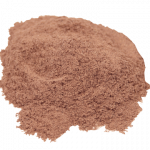
Mimosa hostilis – Inner root bark | Jurema Preta
$220.00
Mimosa originates from Brazil where it has also been used for centuries for various medicinal purposes. The inner part of the root contains most of the active alkaloids, this is also the part of the Mimosa plant that we offer here at Psychedelic Spot.
Mimosa Hostilis Root Bark (MHRB) – Jurema Preta (Mimosa tenuiflora)
Mimosa Hostilis Root Bark (MHRB), botanically classified as Mimosa tenuiflora and traditionally known as Jurema Preta, is a renowned perennial tree native to northeastern Brazil and parts of Central and South America. Belonging to the Fabaceae family, this legendary botanical specimen has been revered for centuries due to its dense concentration of active tryptamine alkaloids, specifically N,N-DMT, as well as its rich tannin content used in natural textile dyes and leather tanning.
Key Features & Botanical Specifications
-
100% Pure Inner Root Bark: Harvested exclusively from the inner root bark layer of mature Mimosa tenuiflora trees where alkaloid and tannin concentrations are highest.
-
High N,N-DMT Alkaloid Density: Naturally rich in entheogenic tryptamines, making it a primary component in traditional shamanic formulations like Vinho de Jurema.
-
Fine Micronization: Professionally ground into a uniform, fine powder to maximize surface area for clean aqueous extraction and smooth brewing.
-
Rich Natural Pigment Source: Contains high levels of natural tannins and red/purple deep-spectrum dyes for textile coloring and leather processing.
-
Sustainably & Ethically Sourced: Responsibly collected from renewable Brazilian farms with zero environmental damage to wild forest ecosystems.
Historical Context & Traditional Ceremonial Use
For thousands of years, indigenous tribes and shamans across the Caatinga region of Brazil have utilized Mimosa tenuiflora in sacred spiritual practices. The earliest documented accounts of these ceremonies date back to 1788, where the root bark served as the central ingredient in Vinho de Jurema (Jurema Wine).
Unlike traditional Amazonian Ayahuasca which strictly requires combining an N,N-DMT source with a $MAO$ inhibitor vine (Banisteriopsis caapi) to become orally active—traditional cold-water preparations of Jurema were historically served in concentrated amounts during communal rituals to invoke visionary states, spiritual connection, and profound therapeutic healing.
Traditional Preparation & Infusion Guidelines (Vinho de Jurema)
Cold-Water Infusion Method:
-
Water Selection: Always use purified, distilled, or double-filtered water, as mineral excess can bind to active compounds and reduce extraction efficacy.
-
Soaking Process: Combine 1 dose of finely ground MHRB powder with approximately 125 mL to 175 mL of cold purified water.
-
Agitation: Stir thoroughly and allow the mixture to steep for at least 1 to 2 hours, stirring periodically to maximize compound release.
-
Filtration: Pour the liquid through a fine cloth or coffee filter to strain out all plant particulates.
Dosage & Sensitivity Benchmarks
Because Mimosa tenuiflora is a natural product, active potency can vary slightly between harvests. Beginners are strongly advise to start with lower dosage parameters:
| Session Level | Recommended Powder Quantity | Description |
| Mild / Threshold Session | 10g to 20g | Gentle somatic warmth, mild mood elevation, subtle sensory enhancement |
| Moderate Session | 20g to 35g | Introspective focus, vivid open/closed-eye visual dynamics, altered spatial perception |
| Strong / Traditional Journey | 35g to 50g | Deep ceremonial immersion, profound visionary states, and intense spiritual insight |
Safety Best Practice: Always prepare and conduct sessions in a peaceful, secure space. Sitting or lying down in a supportive environment with a trusted, sober sitter is strongly recommended.
Mimosa Hostilis Frequently Asked Questions
What is the difference between Mimosa hostilis and Mimosa tenuiflora?
They are two scientific names for the exact same tree. While Mimosa hostilis was the historically accepted botanical name, modern taxonomy classifies the species as Mimosa tenuiflora.
How should I store ground Mimosa Hostilis root bark?
Store your MHRB powder in an airtight glass container in a cool, dry, and dark location. Kept away from moisture, oxygen, and direct sunlight, the inner root bark preserves its natural compounds for years.
What other non-psychoactive uses does MHRB have?
Mimosa tenuiflora inner root bark is world-renown as a premium natural dye for silk, cotton, and leather, producing deep purple, burgundy, and dark brown earth tones. It is also utilize skin-care formulations for its soothing astringent properties.
Order Your Premium Mimosa Hostilis Root Bark Today for fast, secure, and discreet fulfillment.
Reviews
There are no reviews yet.
Related products
Sale!
Original price was: $280.00.$245.00Current price is: $245.00.
Price range: $250.00 through $900.00

Price range: $230.00 through $350.00
Sale!
Original price was: $250.00.$220.00Current price is: $220.00.
Be the first to review “Mimosa hostilis – Inner root bark | Jurema Preta”